Tesla’s Self-Driving System Is Getting a New Map Layer to Fix Speed and Parking Glitches
The electric vehicle maker is developing internal mapping tools to address persistent errors in speed limit recognition and route selection for its Full Self-Driving software.
By Zanele Khumalo ·
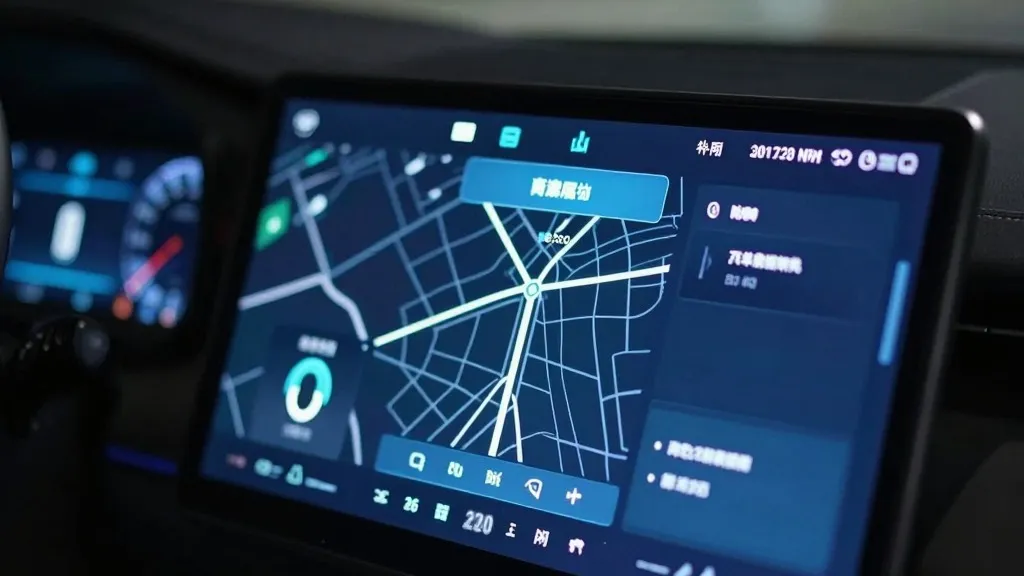
Drivers using Tesla’s Full Self-Driving system may see improvements in how their vehicles handle speed limits, parking, and route selection in the coming months. The company is developing its own proprietary mapping data to address specific errors that have plagued its vision-based software. This update is expected to begin rolling out with the next major software version, initially focusing on the start and end of trips before expanding to broader navigation tasks.
The development marks a significant strategic shift for Tesla. For years, the company’s leadership argued that relying on detailed maps made self-driving systems fragile and less adaptable. However, on its Q3 2026 earnings call, Tesla’s VP of AI, Ashok Elluswamy, acknowledged that the company should not depend on external map providers. He explained that Tesla is now building a new architecture that uses data from its entire fleet to create a more accurate understanding of the driving environment.
The need for this change became apparent after a retail investor raised concerns during the shareholder Q&A session. The investor noted that mapping issues remain a primary complaint, specifically citing problems with reading speed signs, finding parking spots, and selecting typical routes. Elluswamy agreed with the assessment, stating that Tesla is creating a system that learns from collective fleet data while also adapting to individual driver preferences and voice commands.
This approach contrasts with the company’s earlier public stance. In 2019, CEO Elon Musk described high-precision lane maps as a "huge mistake" that made systems brittle. He famously dismissed lidar technology and detailed mapping as unnecessary crutches, insisting that Tesla could solve driving with cameras and artificial intelligence alone. At the time, the company told Fortune it had already begun building high-precision maps, but the 2019 presentation signaled a move away from that reliance.
In practice, Tesla’s new map layer is not the same as the high-precision, centimeter-level maps used by competitors like Waymo. Instead, it is designed to feed the existing vision system with better contextual information. The goal is to help the software understand the environment more reliably, particularly in areas where it currently struggles. This includes recognizing static road information that the cameras may misinterpret or miss entirely.
Recent testing has highlighted these gaps. Last month, a Belgian road safety group found that Tesla vehicles frequently exceeded speed limits in Brussels test zones. The cars averaged speeds well above the limit, often because the display showed an incorrect speed cap. In the United States, the National Highway Traffic Safety Administration is also reviewing claims that Tesla Robotaxis have sped through school zones, prompting a closer look at the software’s environmental awareness.
The new system will be built using data collected from millions of Tesla vehicles on the road. As these cars drive, they contribute to a collective dataset that helps the map become more detailed over time. This mirrors the approach used by Waymo, which maps cities before launching its driverless service and continuously updates that data as its fleet operates. While Tesla does not use lidar, the fundamental concept of using fleet data to refine a map is similar.
Tesla’s Robotaxi service currently operates within small, geofenced areas, meaning the cars are already limited to specific zones. The new mapping technology is expected to support this model, allowing the system to function more effectively within these defined boundaries. While the company has not promised a universal, map-free driving system, the new layer aims to make the existing vision-based approach more robust for the regions where the service is active.
The rollout of this technology will happen in stages. It will first appear in FSD v15, handling the initial and final portions of a trip. Over the following months, it is expected to take over more complex tasks, including full navigation and destination handling. For owners of Tesla vehicles, this means the car’s understanding of where it is and how to get there will be based on Tesla’s own data rather than third-party sources.
This move brings Tesla’s strategy closer to other major players in the autonomous vehicle space. By building its own map from fleet data, the company is acknowledging that vision alone may not be sufficient to handle every driving scenario with perfect accuracy. The new system is designed to reduce common errors, offering a more reliable experience for drivers who rely on the software for their daily commutes.
Source: Electrek