Amazon Ditches Four Data Centers in Virginia for Homes and Parks
Local opposition led Amazon to swap a massive tech buildout for residential projects and a new arts center in Loudoun County.
By Lauren Collins ·
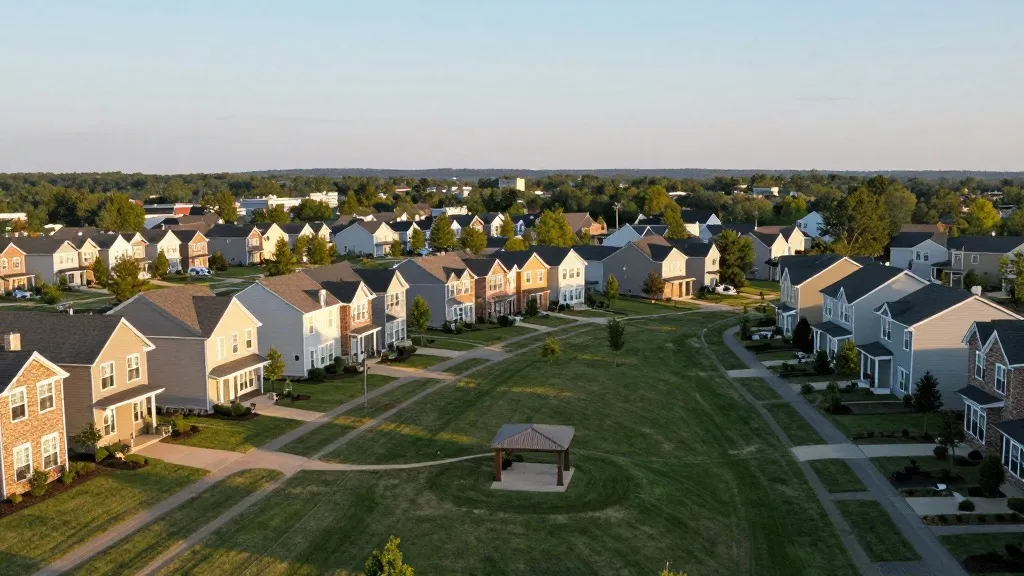
Residents near Washington, D.C., will see a different landscape on the former George Washington University campus. Instead of four new data centers rising on the 122-acre site in Loudoun County, the majority of the land will become mixed-use and residential development. This shift means more housing and community spaces where massive server rooms were planned.
Amazon is also giving back to the local area. The company will donate 25 acres of the property to Loudoun County. These lands will be used to build a community arts center and a new recreational facility. Additionally, Amazon is contributing $5 million to the county’s fund for housing. These changes aim to address local concerns about noise and power usage.
The decision marks a significant change in direction. Loudoun County is often called "Data Center Alley" because it has the largest concentration of data centers on Earth. However, residents have grown wary of the impact these facilities have on their neighborhoods. Concerns over the noise generated by cooling systems and the enormous amount of electricity required to run them have shifted the county’s approach to new buildouts.
The path to this agreement began in July when Amazon first submitted its proposal. By September, the company met with Phyllis J. Randall, the chair of the Loudoun County Board of Supervisors. During these talks, county officials suggested that Amazon might be better off finding an alternative use for the land rather than pushing through with the data center plan.
Josh Weissman, Amazon’s vice president for data center development, explained the company’s perspective. He noted that Amazon was eager to buy the former university campus when the opportunity arose. However, the company listened to the county’s "pointed concerns" about building at this specific location. Weissman stated that while Amazon viewed the legal potential of the property differently, they agreed that a shared vision was better than "costly litigation."
This local negotiation happens against a backdrop of national pressure. The rapid growth of artificial intelligence has increased the demand for larger and more powerful data facilities. This boom has led to higher energy prices and water usage in host communities. In response, federal officials have started to take action. President Donald Trump recently urged data center builders to pay local communities a dividend. He also proposed that these facilities generate their own electricity and sell excess power back to the grid.
County officials are framing the outcome as a win for cooperation. Randall stated that choosing dialogue over disagreement created a valuable opportunity for the county. She highlighted that the agreement provides new places for residents to gather and play. Most importantly, she said, it will provide more attainable homes for working families in the area.
The situation highlights a growing tension in the region. As the power grid in Northern Virginia reaches its limits, communities are scrutinizing every new energy-intensive project. While some argue that the power grid cannot support any more data centers, others see this deal as a model for balancing tech growth with local needs. For now, the land will be reshaped to serve the people who live there, rather than just the algorithms that run in the cloud.
Source: Tom's Hardware